
Capital of Russia: History, Geography, Population
Russia, the largest country in the world, boasts a rich history, diverse culture, and a captivating capital city Moscow.
Table of Contents
Moscow - The Vibrant Heart of Russia
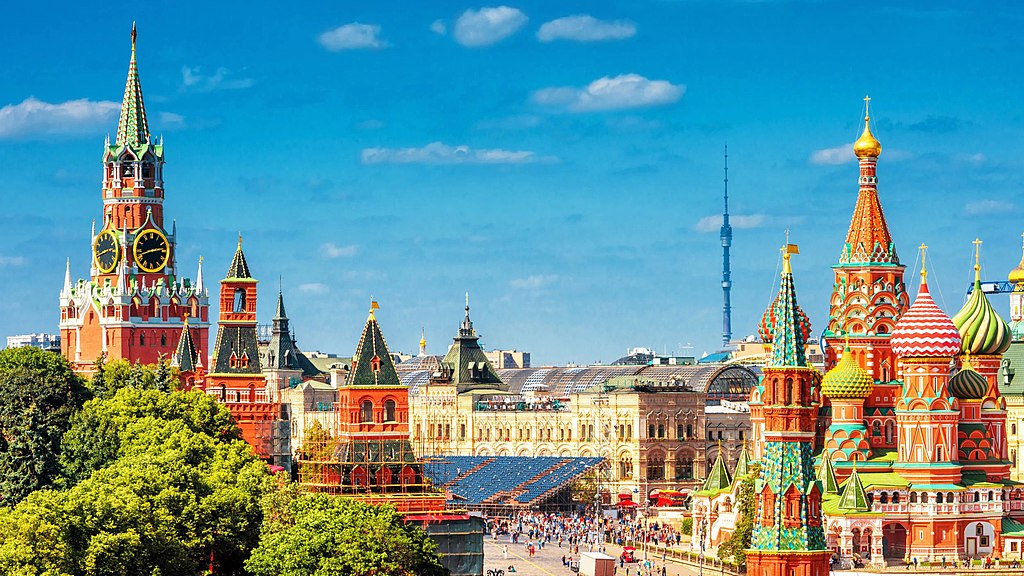
Moscow is the vibrant, beating heart of the Russian Federation, serving as its bustling capital city and the nation's major political, economic, cultural, and transportation hub. As Russia's primate city, Moscow dominates the country as its major center of power and global influence.
Moscow's Location
Situated on the banks of the Moskva River in the western part of Russia, Moscow serves as the capital of the country and the Moscow Oblast, one of its constituent regions.
Historical Significance
Moscow's history dates back to the 12th century when it was established as a small trading post. Over time, it grew into a powerful political and cultural hub.
Geographic Size
Covering an area of around 2,511 square kilometers (970 square miles), Moscow is one of the largest cities in the world.
Population
As of the latest available data, Moscow's population exceeds 12 million residents, making it the most populous city in Russia.
Administrative Structure
Moscow is divided into twelve administrative districts, each with its unique characteristics and attractions.
Moscow Federation City
Home to the Kremlin, Red Square, and most tourist attractions
Moscow Oblast
Largest surrounding region, with historical towns like Sergiev Posad
St. Petersburg
Former imperial capital, with opulent palaces and museums
Leningrad Oblast
Historical region famous for Peterhof Palace and Catherine Palace
Tatarstan
Vibrant Muslim republic with Kazan Kremlin and Kul Sharif Mosque
Krasnodar Krai
Black Sea resort region with Sochi ski slopes and Olympic Park
Sverdlovsk Oblast
Industrial heartland with Yekaterinburg, famous for tsarist execution
Primorsky Krai
Far Eastern region with Vladivostok, gateway to the Pacific Ocean